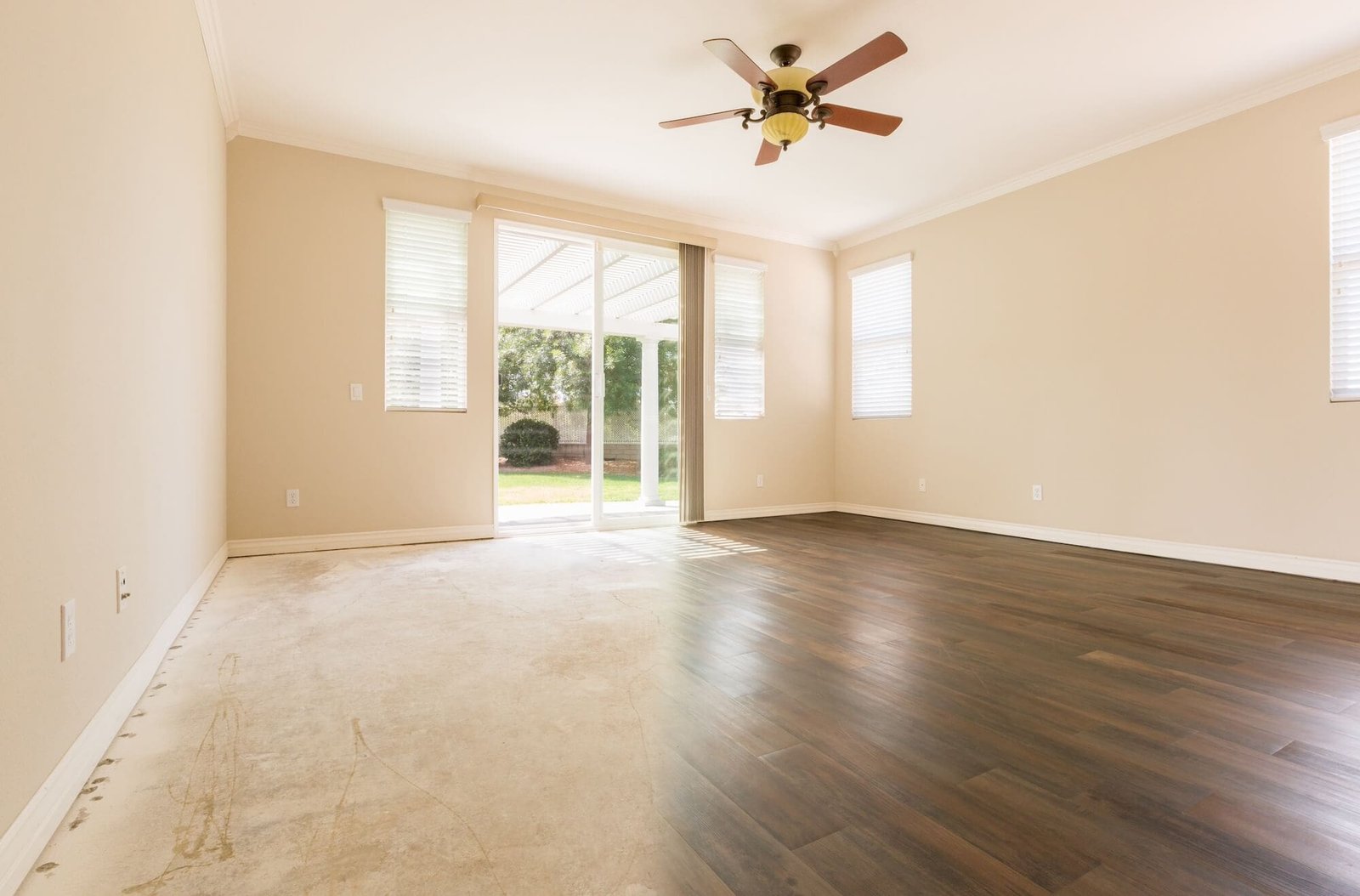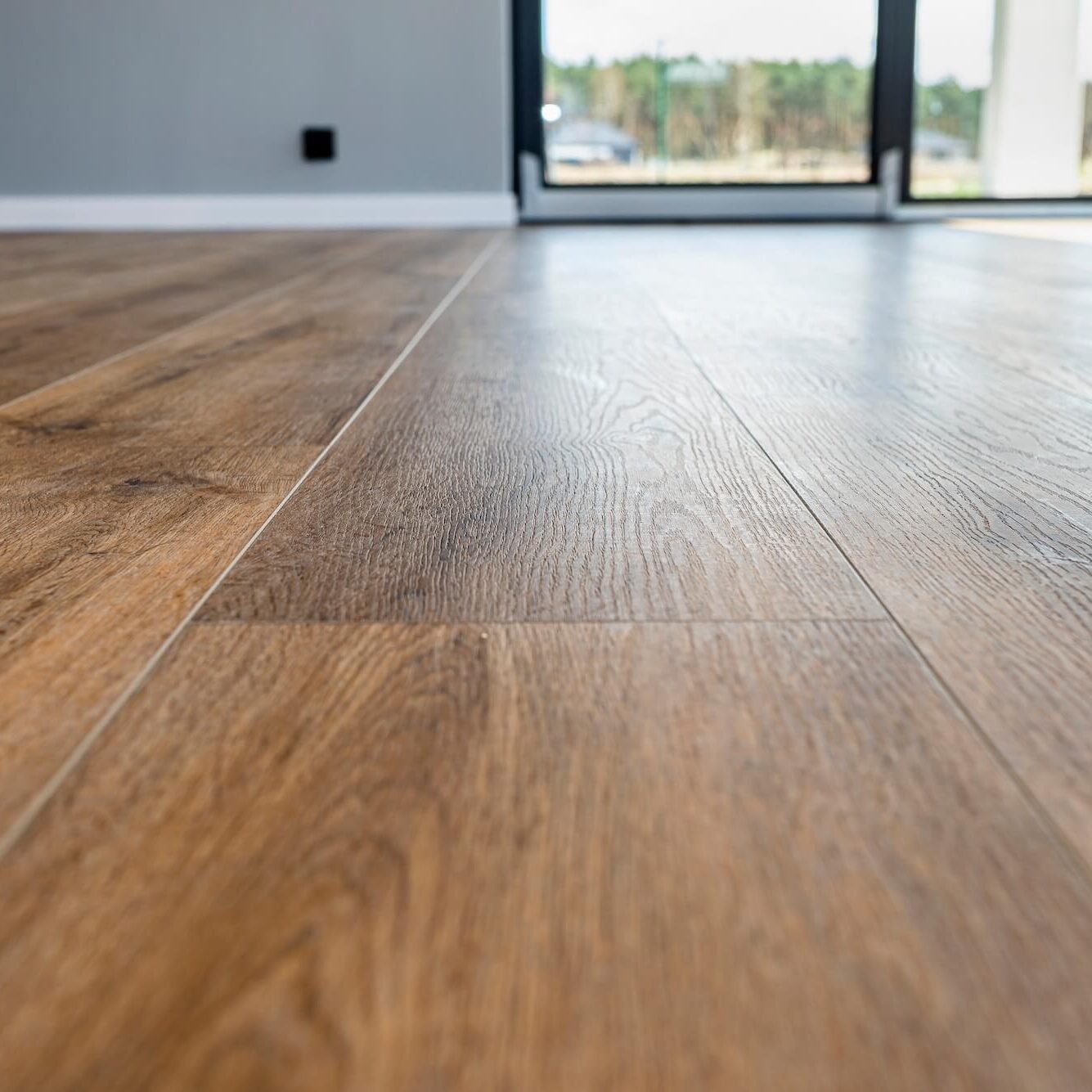

Engineered hardwood gives you the warmth of real wood, with a layered build that helps it handle change better than solid planks. In Tampa, Plant City, and Brandon, that matters because heat, humidity, and sudden rain can shift indoor conditions fast, even when the AC runs all day.
Professional installation means a trained crew handles planning and prep. They also handle moisture checks and fastening choices that affect how the floor feels and how it holds up. When that work is done well, you get a cleaner look, steadier boards, and fewer surprises later. When it is done without that training, you can still end up with a nice result, but the odds of noise, gaps, or early wear usually go up.
The Key Benefits Of Professional Installation Of Engineered Hardwood
A great floor is not only about the planks you pick. It is also about what sits under them and how each row is set in place. Since 2015, Peach Flooring has worked in Florida homes and work spaces long enough to see one clear pattern. The best outcomes almost always start with careful prep.
- A subfloor check finds soft spots, dips, and high areas so the surface feels even and solid.
- Moisture readings help avoid boards that swell, cup, or separate after the room settles into its normal humidity.
- Proper acclimation, which is simply letting the wood adjust to the room, helps reduce later movement.
- Method choice and pro tooling support tight seams, clean cuts, and smoother transitions at doors and stairs.
- Many product warranties link coverage to correct methods and records, so pro work can help protect that support.
Common Mistakes That Happen Without Professional Installation
Engineered hardwood can handle daily life, but it still reacts to moisture and movement. A floor can look fine on day one and still run into trouble weeks later when the weather shifts. Many homeowners say the first sign is not a big failure. It is a small change, like a new squeak or a thin gap that was not there before. Common DIY mistakes include:
- Moisture checks are skipped, or the readings are taken the wrong way for the subfloor type.
- Acclimation is rushed, so boards keep changing size after they are installed.
- Rows drift out of line, and end joints repeat in a way that makes the pattern look uneven.
- The wrong underlayment, glue, or fasteners are used, which can lead to loose boards or noise.
- Expansion gaps are too small or blocked by trim, so the floor has no room to move.
What The Professional Installation Process Actually Covers
A pro crew does more than place boards. The process covers planning, protection, and checks that help the floor stay stable in real use. Across hundreds of five-star reviews, one thing comes up again and again. Clear communication from start to finish, so you know what is happening and why.
Subfloor Prep And Moisture Control
The crew checks the subfloor for flatness, strength, and dryness, then fixes issues that could cause movement. On many Tampa-area slabs, moisture testing matters because concrete can hold dampness longer than you expect. The crew levels small dips so boards do not flex when you walk. A stable base helps reduce hollow sounds and early joint stress.
Acclimation And Job-Site Staging
The crew stages the boxes the right way so air can move around them, and the room stays in a steady range. This step is simple, but it is easy to get wrong when a schedule is tight. Florida’s rainy season can make indoor humidity jump fast, even with closed windows. Proper staging helps boards settle before the crew secures them.
Layout Planning And Visual Balance
Layout planning sets the direction, the starting line, and how seams will stagger across the room. Sightlines matter, especially in open layouts where you can see far across the floor. Doorways, hallways, and large windows also affect what looks straight and clean. Trained crews use tools made for this job, which helps keep lines consistent.
Securing Methods And Room-Specific Choices
The crew chooses how to secure the floor based on the product and the space, not on habit. That may mean floating, glue-down, or nail or staple methods, depending on what the brand allows. Room conditions like traffic, slab versus wood subfloor, and large spans also influence the choice. This is where engineered hardwood installation becomes a set of decisions that protect long-term stability.
Finishing, Trim, And Final Checks
The crew fits transitions, reducers, and thresholds so the floor meets other surfaces cleanly. They install base trim and shoe molding in a way that keeps expansion space open. They check the floor for loose spots, noise, and visible issues, then clean it for a clear final look. If carpentry work is needed for doors or trim, it can be handled in the same project for a smoother finish.
How Installation Quality Affects The Lifespan Of Engineered Hardwood
Poor installation of hardwood floor often shows up as uneven wear, not just obvious damage. Boards that flex can stress the top layer, which can lead to cracking at edges or a finish that dulls faster in certain lanes. If moisture control is off, you might see cupping, gapping, or seams that open and close with the seasons.
A well-installed floor spreads weight evenly and keeps movement where it belongs. That stability can reduce noise and help the locking system, glue bond, or fasteners stay secure. It also helps furniture legs, rolling chairs, and foot traffic land on a firm surface instead of a springy one.
Industry best practice is to match the method to the room and the subfloor, then confirm the floor can still move at the edges. When those details are handled well, engineered hardwood can meet its expected lifespan without early repairs. The result is a floor that looks steady year after year, even as the local climate shifts.
Why The Type Of Space Matters For Engineered Hardwood Installation
Different rooms act like different climates. Entryways see grit and wet shoes, kitchens see more spills, and sun-filled rooms can heat up faster during the day. In the Tampa area, indoor humidity can also rise after summer storms, which makes moisture planning more important than many people assume.
In a home, comfort and a smooth look between rooms often matter most. In a business space, traffic is heavier, cleaning routines are different, and rolling loads can be constant. That is why the approach to installing engineered hardwood flooring can change from one space to the next, even with the same product.
Professionals adjust for the environment with choices that fit the room, the schedule, and the expected wear. That may include extra protection at entrances, different transition planning, or a method better suited for larger open spans. The goal stays the same. You get a floor that fits the way the space is used.
The Real Cost Of Getting Installation Of Engineered Hardwood Wrong
A failed floor can cost more than the original job because the fix often includes removal, prep work, and replacement materials. It can also mean lost time, extra dust, and moving furniture twice. Small issues like squeaks or edge lift can become bigger if they are ignored, because movement tends to spread.
Warranty support can also be affected when methods do not meet product rules. Some brands expect moisture readings, approved materials, and clear proof of the right process. If that record is missing, a claim can become harder, even if the flooring itself has a real defect.
Cutting corners can feel like a quick win, but it often leads to higher long-term spend. When you factor in repair labor, new trim, and the hassle of living or working through rework, the savings can disappear fast. Peach Flooring keeps the process clear and professional so you understand the plan before work starts and what to expect after it is done.
Your Floors Deserve To Be Done Right
A good engineered hardwood floor should feel firm underfoot, look even in the light, and stay quiet as you live on it. When the details are handled with care, you get the style you want without nagging worries about gaps, noise, or early wear.
For projects in Tampa, Plant City, and Brandon, Peach Flooring offers flooring and carpentry services built on craftsmanship, character, and customer care.
To request an estimate or consultation, reach out today and get a plan that supports product warranty requirements through proper methods and records.